Menu
X-Ray Your Weaknesses.
Diagnose Your Strengths.
Try a free test
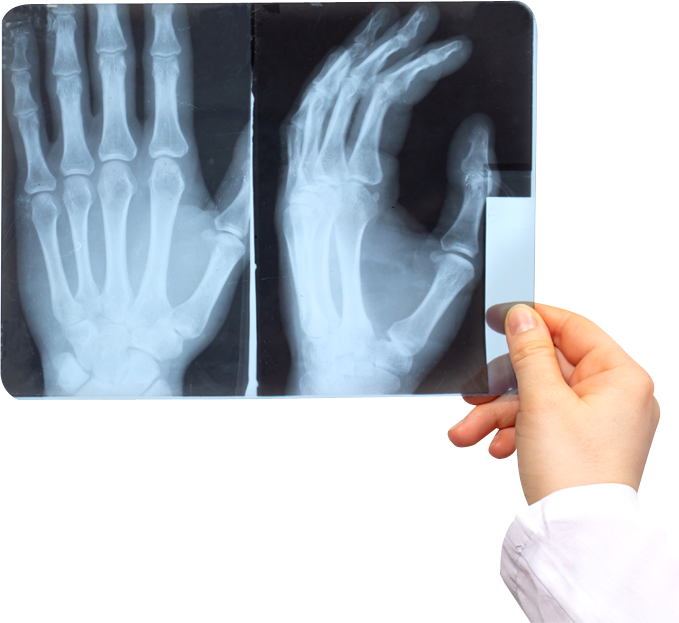

Radiology training has three
serious challenges.

Slow Feedback

Overworked Educators

Outdated Exam Preparation

Not everything is as it seems
m3 is different.

Automated scoring
No manual marking, no delays.

Exam simulations
Train under real exam conditions.

Mistake correction before exams
Fix errors before they become habits.

Scalable learning
No educator bottlenecks, training at scale.
How it works

Analyse High-Quality Cases
Examine realistic imaging cases, interpret findings, and submit your diagnostic insights.

Get Instant AI Feedback
Receive immediate AI-powered scoring and personalised guidance on every case.

Track Progress & Boost Confidence
Monitor your improvement clearly, enhancing your skills and diagnostic certainty before your real exam.

Compare Performance to Peers
Benchmark your diagnostic abilities directly against your professional peers.

Repeat
Continuously practice cases to sharpen your skills-practice, practice, practice!
Testimonials

"The case-presentations were well-structured and I appreciated the detailed, individualised feedback after each case, which highlighted where I needed to improve." Dr SB van der Westhuizen
"I loved how closely the cases resembled the actual exam. The practical format, learning points, and concise feedback were engaging and relevant to my exam preparation." Dr M Moyo
"Brilliant cases, a positive 'examiner' vibe, and excellent overall teaching! The combination of a friendly atmosphere with rigorous, exam-style questioning made this an outstanding learning platform." Anonymous
"The discussions on how to structure exam answers were a game-changer. The format was loaded with practical tips and knowledge, and the sessions were always informative and genuinely helpful for my ongoing revision." Dr NJ Davids
Scientific proof
Pricing
| Plan | Savings | Price per month | Total per period |
|---|---|---|---|
| Month-to-month | $97.00 | $97.00 | |
| Three-month plan | Save 15% | $82.45 | $247.35 |
| Six-month plan | Save 30% | $67.90 | $407.40 |
FAQ
m3 provides real-time feedback, AI-powered scoring, and structured exam simulations, unlike traditional methods that rely on delayed marking and passive study. Research shows that students who receive instant feedback improve retention and performance more effectively than those waiting for manual corrections.
Yes, m3 currently supports radiology trainees preparing for the FC Rad Diag examination in South Africa. Additional regions — including the United Kingdom (FRCR), Australia and New Zealand (RANZCR), and the United States (ABR exams) — will become available soon. If you select a region other than South Africa, you will not yet see any tests after signing in. However, you can update your region at any time by clicking on your user profile in the top right. Even though region-specific content is not yet live for other regions, there is substantial overlap in radiology training. Trainees from all regions are encouraged to practice using the South African content for now.
Yes, m3 complements formal training by providing additional structured assessments, instant scoring, and data-driven insights. It is particularly useful for trainees who want to track their progress and refine their diagnostic accuracy before high-stakes exams.
m3 includes short cases, long cases, and rapid reporting scenarios. Each case is marked against standardised criteria to simulate real-world radiology assessments. The platform also provides personalised insights to help trainees identify patterns in their performance.
Yes, m3 includes cases from key radiology subspecialties, including musculoskeletal, neuroradiology, abdominal imaging, and thoracic radiology. The platform ensures a broad, exam-focused curriculum to support comprehensive preparation.
m3 automates assessment and feedback, reducing the administrative burden on educators. Institutions can use the platform to monitor student performance, track progress across cohorts, and provide structured training without increasing marking workload.
m3 uses AI tailored to radiology exam standards to provide precise and immediate scoring. Unlike human marking, which can be delayed and subject to variability, AI ensures objective, immediate results that help trainees learn faster.
Yes, m3’s structured case-based approach helps trainees develop diagnostic reasoning and pattern recognition skills essential for viva-style exams. By practicing under exam conditions, users build confidence in describing findings and making clinical decisions.
Yes, m3 is available for institutional use, allowing universities, hospitals, and training programmes to provide scalable access to trainees. Educators can track student performance and optimise their teaching approach using AI-driven insights.
Yes, you can take a free test to experience m3’s AI-powered assessment system and exam simulations before deciding on a plan.